Your go-to resource for weed knowledge.
Weed List


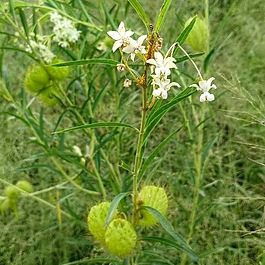


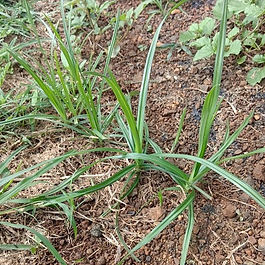
Broad-leafed Carpet Grass
blanket grass, broad leaved, carpet grass, broadleaf carpet grass, broadleaf carpetgrass, broad-leafed carpet grass, broad-leaved carpet grass, carpet grass
It is used as a permanent pasture in some places and can be cut for forage. It is also used to reduced erosion, as it can tolerate moist soil conditions and shade. It is used as turf in some locations.




Grasses
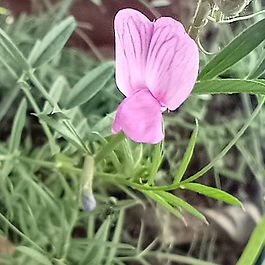
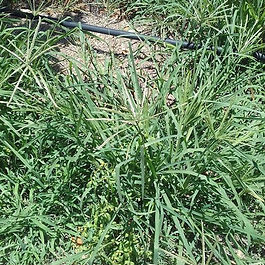
Grass
According to the Royal Botanical Gardens of Sydney, grasses directly supply about 60% of the food for human consumption. Economically important grasses include Wheat, Rice, Maize, Barley, Oats, Sorghum, Rye and Millets. Grasses are important in natural environments and in human created environments.


Mediterranean Turnip
['African mustard', 'Asian mustard', 'long fruited wild turnip', 'long-fruited wild turnip']
Mediterranean turnip is an annual plant in the cabbage or brassicaceae family. It forms a well developed taproot and branched stem that can reach up to 100 cm. The plant forms a large basal rosette, with leaves lobed and ranging in size from 15 to 30cm. The lower stem leaves are large, but reduce in size upwards along the stem (becoming speared shaped). Flowers are small and yellow (5-8 mm wide) that fade to white. Fruit (siliqua) is spreading, 3–7 cm long, and approximately 3 mm wide. At maturity, the large branched stems can break and forming tumbleweeds to disperse seeds.




Rattlepods
----
Crotalaria is a genus in the family Fabaceae and are commonly known as rattlepods. It is a large genus and includes herbaceous plants and shrubs (annual and perennial). Flowers generally in terminal racemes and yellow in colour, although streaking/mottling (red) and other colours occur. Many species are reported toxic to stock (Colarado State University). Australia has more than 40 native species. Rattlepods often found in and around orchards are introduced species, but identification is important before clearing. Rattlepods are weeds of roadsides, railway lines, crops, pastures, disturbed sites, waste areas, parks, gardens, open woodlands and riparian vegetation. Flowers are known to attract pollinators, as well butterflies and moths.